Williamstown, Great Barrington Awarded Wildlife Habitat Grants | 08:06AM / Friday, February 06, 2026 | |
BOSTON—The Healey-Driscoll Administration awarded $343,985 in grants to restore over 191 acres of wildlife habitat across Massachusetts.
The Department of Fish and Game's (DFG) Division of Fisheries and Wildlife (MassWildlife) awarded grants to seven organizations through the MassWildlife Habitat Management Grant Program (MHMGP).
In Berkshire County:
-
Great Barrington – Berkshire Natural Resources Council has been awarded $31,045 to manage invasive species in floodplain forests and wetlands at the Housatonic Flats Conservation Area and the Rising Pond Conservation Area.
-
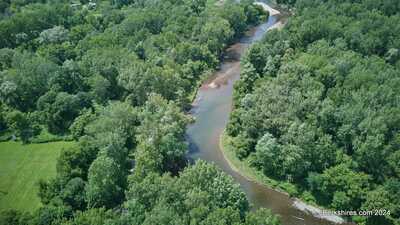
Williamstown – The Williamstown Rural Lands Foundation has been awarded $30,661 to treat invasive species at the Lehovec River Walk floodplain forest along the Green River. In addition to habitat for rare species, this site also provides access to nature for Williamstown’s Environmental Justice community.
"This funding recognizes the value of Williamstown's conserved lands and the organizations that care for them. The work at the Lehovec River Walk will help maintain a resilient landscape that residents and visitors can continue to enjoy," said State Representative John Barrett III
This program provides financial assistance to private and municipal owners of conserved lands to improve habitat for wildlife, steward biodiversity, enhance climate resiliency, and promote outdoor recreation. Since 2015, the program has funded 125 projects that have restored over 4,900 acres of wildlife habitat.
"Partnership and collaboration will be essential for meeting our ambitious biodiversity goals. We rely on conservation organizations, cities and towns, private landowners, and other partners to greatly expand our impact," said Department of Fish and Game Commissioner Tom O'Shea. "Together, we can improve habitat for wildlife while also boosting outdoor recreation opportunities."
Many habitats that species rely on require ongoing stewardship and care. While Massachusetts has made strides to conserve land, with over 28 percent of the state permanently protected today, many habitats are degraded, and vulnerable wildlife face increasing threats from extreme weather and destructive pests and pathogens fueled by climate change. To address these challenges, habitat restoration and management will create healthy, resilient landscapes that support a variety of species, particularly those of greatest conservation need.
|